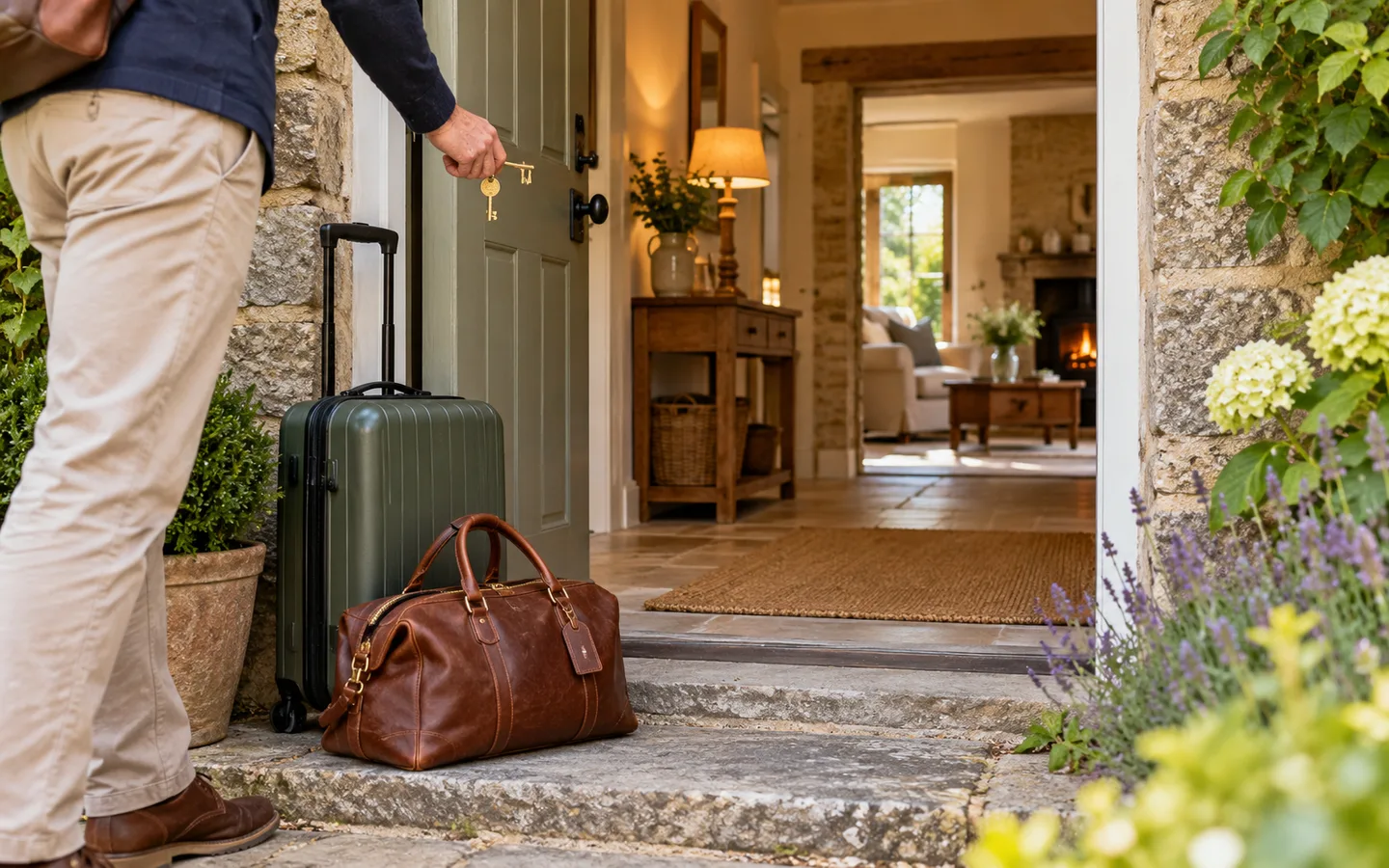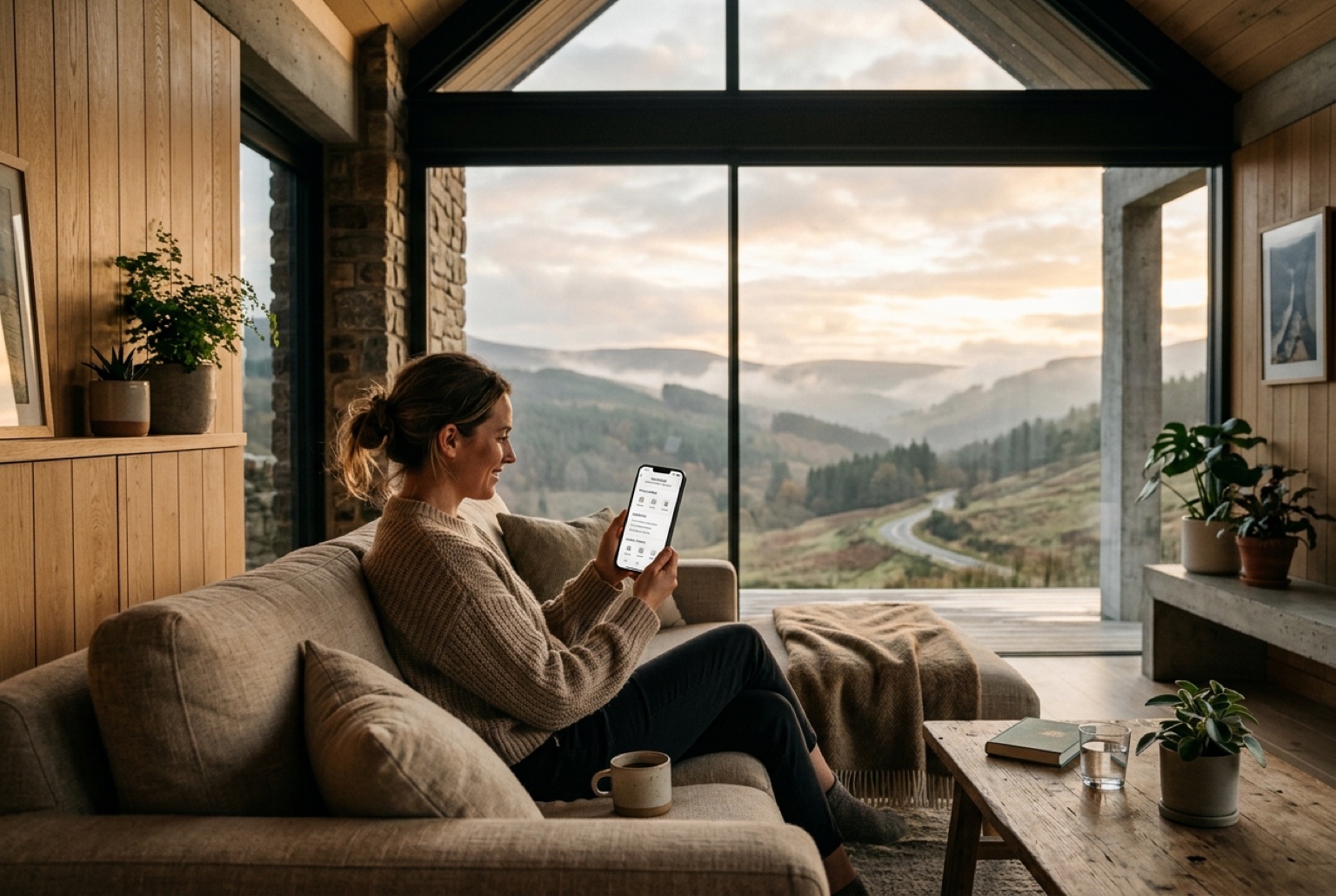
There is a quiet moment that defines every stay. It occurs approximately forty seconds after turning the front door key. Luggage is set down, jackets are slipped off, and the guest glances around to orient themselves in an unfamiliar sanctuary.
For decades, the standard hospitality response to this moment was a plastic ring binder placed upon the hallway console table—crinkled laminate sheets holding five-year-old takeaway menus, densely typed Wi-Fi passwords with indistinguishable zeros and letter 'O's, and capitalised rules on recycling bins.
In an era where travellers expect fluid, beautifully styled interactions at every touchpoint, the printed binder has become more than an aesthetic misstep; it is a friction point.
The Psychological Value of Instant Clarity
When travellers arrive after a long journey—whether winding through country lanes or battling motorway traffic—their cognitive bandwidth is low. They do not want to parse a twenty-page compendium to discover how the heating operates or where extra linen is kept.
"True luxury is never about excess; it is the absence of unnecessary friction. When a guest arrives, clarity is the warmest welcome you can extend."
A considered digital welcome honours this reality. By placing an understated, tactile card with a single QR code on the kitchen island or bedside table, you invite the guest into an environment designed entirely around their immediate comfort.
With a single tap—requiring neither app store downloads nor cumbersome account registrations—the entire property gently unfolds before them.
The Three Anchors of an Unforgettable Arrival
1. Essential Information, Upfront and Unhurried
The first three questions every guest asks never change:
- What is the Wi-Fi password? (One-tap copying eliminates the frustration of mistyped characters.)
- How do I adjust the temperature? (A 15-second clear guide beats a 30-page manufacturer booklet every time.)
- Where should we have dinner tonight? (Personal recommendations curated with care.)
By presenting these answers immediately on the welcome screen, you resolve anxiety before it manifests into host messages or late-night phone calls.
2. A Distinct Sense of Place
A stay at an independent holiday let or boutique lodge is chosen specifically because it is not a generic hotel room. Your digital guide should radiate that same unique personality.
Rich editorial imagery of morning light across the patio, host notes on the architectural history of the property, or a personal greeting note establish an emotional connection that elevates the entire experience from lodging to living.
3. Living, Evolving Details
Printed guides suffer from a permanent flaw: the moment a local bakery changes its opening hours or a favourite coastal walk is temporarily diverted, the binder becomes obsolete.
A living digital space allows you to update recommendations in real time. If heavy rain is forecast for the afternoon, you can highlight cosy fireside pubs and indoor antique markets with a few keystrokes from your host console.
The Host's Quiet Advantage
For hosts, transitioning to a dedicated digital companion is not merely about aesthetic pride; it is about operational elegance. Hosts who switch to Guestiqo consistently report a 70% reduction in repetitive arrival queries.
When guests feel effortlessly guided, they treat the space with greater reverence, explore the surrounding locale with deeper curiosity, and leave reviews that celebrate how smooth, peaceful, and thoughtfully managed their stay felt.
The laminated binder served its purpose in a different century. Today, hospitality is defined by thoughtful restraint, intuitive craft, and the quiet art of being present exactly when needed.