“Dog-friendly” is a useful starting point, but it leaves plenty of practical questions unanswered. Is the garden shared? Where can a guest take a short first walk after a long drive? Are there bowls in the house, or should they bring their own?
A thoughtful guest guide answers those questions before they turn into a message thread. It helps visitors prepare for the property you offer, with clear descriptions rather than broad promises.
Make the listing and guide agree
Begin with the arrangements guests saw when they booked. Your guide should explain those arrangements in everyday language, not introduce an unexpected fee or a new restriction after arrival.
Describe the pet amenities you provide, where they are kept and anything guests should bring. If a detail affects whether the property suits their stay, it belongs in the information they can read before booking as well as in the guide.
Airbnb's guidance on hosting pets suggests explaining pet-friendly features and adding useful local recommendations. Check the rules of your own booking channels when maintaining that information. Assistance-animal arrangements need separate consideration under the relevant platform policies and local requirements; ordinary pet notes should not be treated as a universal policy.
Describe the outdoor space precisely
“An enclosed garden” may mean different things to different visitors. Give guests facts they can use to decide whether the space suits their dog.
Explain whether the garden is private or shared, how it is reached, whether there are gates and what lies beyond the boundary. If you know the fence height, measure it rather than guessing. Photographs should show the boundary and entrance, not only the most attractive corner.
Avoid a blanket claim that a space is escape-proof or suitable for every dog. Explain what you have observed and keep it current. If a gate is being repaired or part of the garden is unavailable, tell arriving guests directly as well as updating the guide.
Show the arrival routine
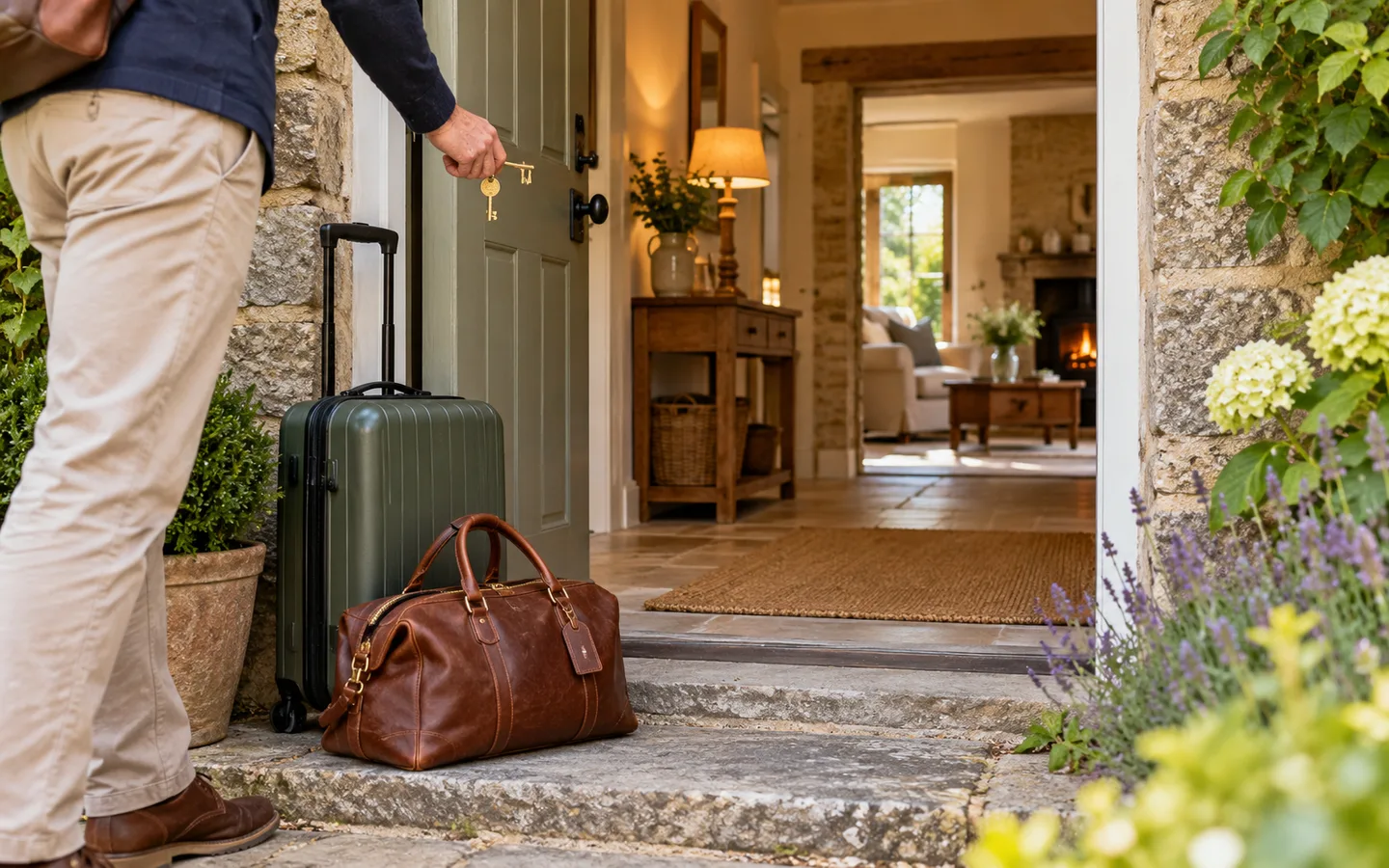
Keep the first few minutes simple. Visitors may be managing bags, children and a dog while trying to find the entrance.
An illustrative welcome note could read:
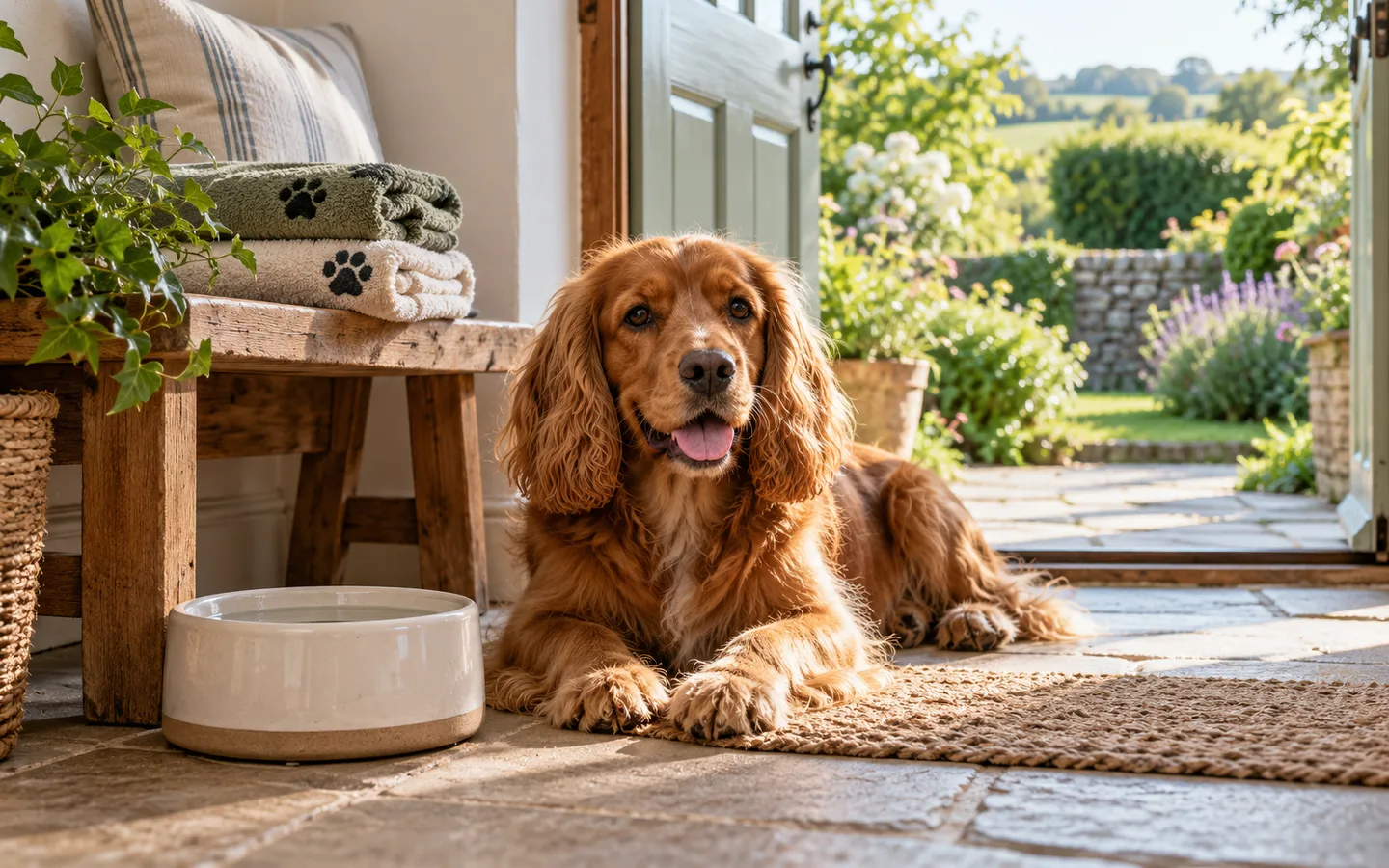
Welcome. The bowls and spare paw towels are in the utility cupboard beside the back door. The boot tray is just inside that entrance. Please use the labelled outdoor bin for bagged dog waste. A short walking option is linked below, with its starting point shown on the map.
Use only the details that match your property and the arrangements already agreed with the guest. Replace vague phrases such as “everything is in the kitchen” with a cupboard name or a photograph.
Give each amenity a place in the guide
You do not need an extensive pet hamper to write a useful section. A few well-explained items can be enough.
| Item you provide | Detail to include |
|---|---|
| Food and water bowls | Exact cupboard or shelf |
| Paw towels | Where they are kept and how they are labelled |
| Furniture covers | Where to find them and their intended use |
| Waste disposal | The correct bin and where it stands |
| Outdoor rinse area | Its location and the facilities actually available |
Do not list an amenity simply because it appeared in a template. Check that it is present and usable before every stay that depends on it.
Curate local suggestions with care
Start with one straightforward walking option, one food stop and one place to buy supplies. For each suggestion, explain the useful detail: where to park, where the route starts or whether the venue's own website describes dogs as welcome.
Keep conditions specific. A café may welcome dogs outside but not inside. A beach may have seasonal restrictions. Link to the venue or relevant local authority so guests can check current information, and review your wording when those arrangements change.
You can also include a nearby veterinary practice's official contact page. Verify its address and contact details, and let the practice explain its opening hours and emergency arrangements. Avoid presenting an unverified number as a guaranteed out-of-hours service.
Make checkout clear and reasonable
Repeat the ordinary departure essentials and explain where used pet items should go. Keep any requests consistent with what guests were told before booking. Do not turn a friendly guide into a surprise cleaning checklist.
After the stay, ask whether there was one practical detail they could not find. If several guests mention the same missing instruction, improve that section rather than adding a longer message to every booking.
A dog-friendly guide works when it feels like a host has thought through the stay. Accurate garden details, an easy first walk and a clearly labelled towel can communicate that care better than a page of enthusiastic claims.
For the rest of the stay, use our Airbnb welcome book checklist to keep arrival, house notes and local information easy to navigate.