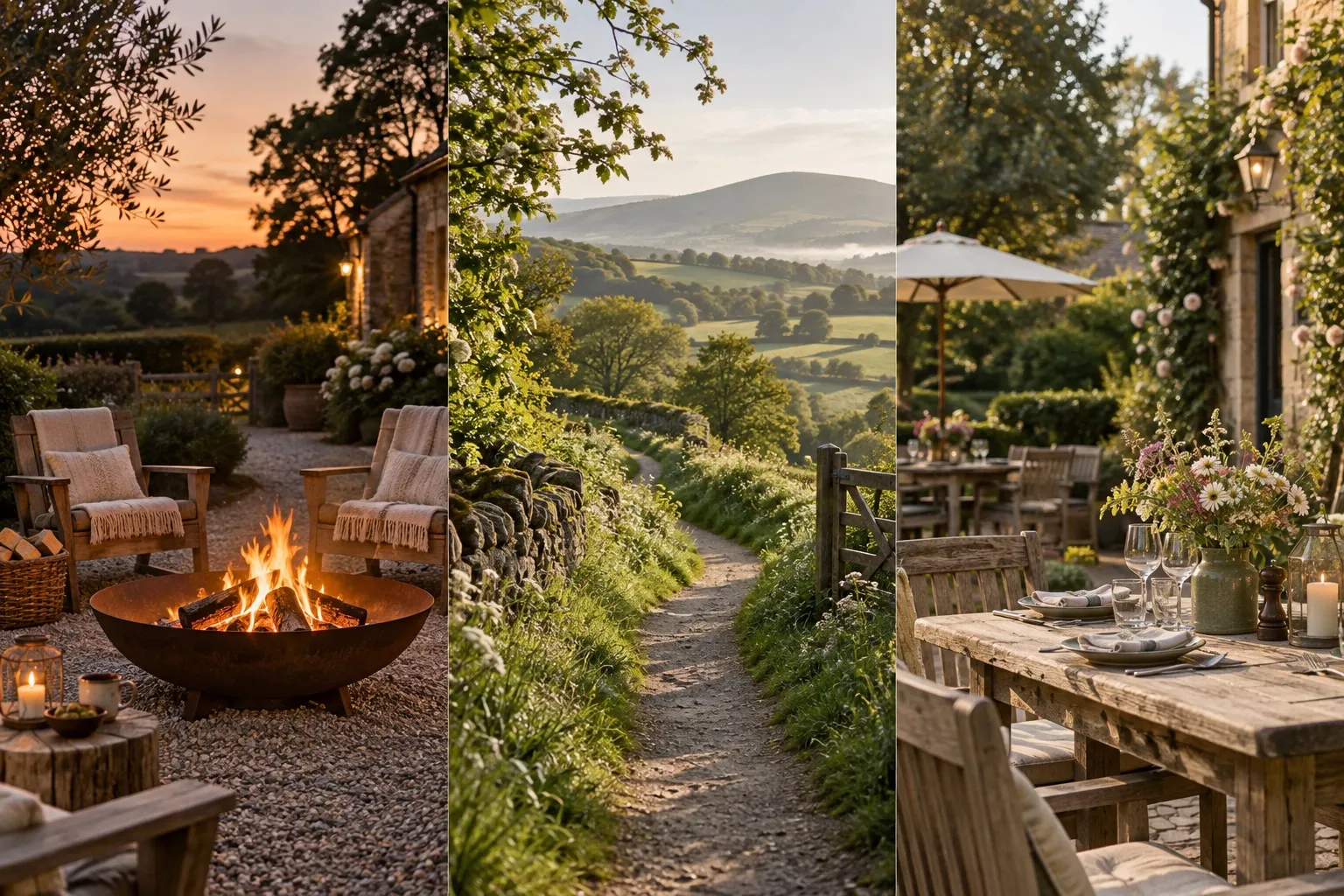
A walking holiday can change shape when the forecast turns wet. Guests may still have a lovely stay, but their original list of things to do might no longer be much help. A short rainy-day section gives them somewhere to start without making them search through every recommendation in the guide.
Build it around choices you can explain clearly: somewhere to go, somewhere to eat and something to enjoy without leaving the property.
Offer a few different kinds of afternoon
A family with young children, a couple on a quiet weekend and a guest travelling alone may want very different outings. Instead of listing every indoor attraction, choose a handful with different purposes.
You might include a gallery for a slower afternoon, an indoor activity that needs booking, a covered market for browsing and a café where guests can take their time. Add a brief note about who might enjoy each one. Avoid promising accessibility, facilities or suitability that you have not checked.
The useful detail is often practical: whether the visit needs advance booking, how guests would get there and where they can find the latest information.
Explain the outing, not just the destination
“Visit the town centre” leaves the guest to do most of the planning. A more helpful suggestion might be to browse the covered market, stop for lunch nearby and take a short walk through the old streets if the rain eases.
Keep these suggestions flexible. Present them as ideas rather than a timetable, and link to the venues' own pages for current hours and booking details. A business name and a short personal note are usually more useful than copying a large block of opening times that you will need to maintain.
If a journey involves an exposed walk from the car park or station, say so. Guests deciding between two options may care more about that than a long description of the attraction.
Include a good evening at home
Some guests will prefer to stay in. Your guide can make that choice feel considered by showing what is already available.
Mention board games, books, a comfortable reading spot or the kitchen equipment that makes cooking together easy. Explain how to use the television or music system if the controls are unfamiliar. Give the location of blankets and any drying space you are happy for guests to use.
Only include things you provide. A short, accurate list is better than an inviting description that raises expectations the property cannot meet.
Keep outdoor options conditional
A route that is pleasant in light rain may be unsuitable in poor conditions. Avoid labelling walks as safe in all weather or suggesting that guests ignore local closures.
For outdoor recommendations, point guests towards current local information and explain that conditions can change. Keep your indoor ideas easy to find so guests have an alternative when they decide a walk is not right for the day.
Give the section a seasonal check
Before a busy period, open the links and review each recommendation. Remove businesses that have closed, update booking links and check whether seasonal venues are still operating.
You can also ask guests which suggestions they enjoyed. A simple question after their stay may reveal an indoor stop you had overlooked or a recommendation that needs a clearer explanation.
A rainy-day guide does not need to rescue an entire holiday. It needs to offer a few thoughtful choices at the moment guests are deciding what to do next. Keep it short enough to read over breakfast, with enough detail to help them head out or settle in.